Uluslararası Hukukun Kapsamına Giren Bazı Kavramlar: Mülteci mi Muhacir mi?
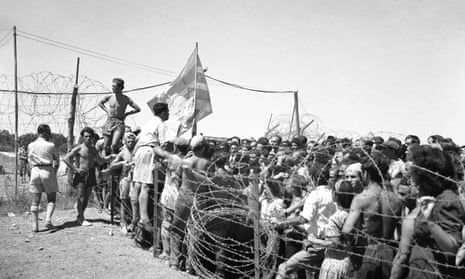
Bu yazıda, uluslararası hukuk literatüründe yer alan mülteci, sığınmacı, geçici koruma, ikincil koruma, göçmen, transit göçmen, düzensiz göçmen vb. çeşitli kavramların Türk mevzuatı içerisindeki yeri ve tarihi gelişimi ele alınmaktadır. Türkiye’ye gelen ve/veya sığınmak zorunda kalan yabancılar, ülkenin en önemli gündem maddelerinden birini oluşturmaktadır. Özellikle Suriyelilerin sık sık ‘muhacir’ ya da ‘misafir’ şeklinde nitelendirilmeleri gerçekten kopulmasını da beraberinde getirmektedir. ‘Misafir’ kelimesi, yabancıların Türkiye’deki ikamet süresinin sınırlı olduğunu ve bir gün “geri gönderilecekleri” imasını taşımaktadır. ‘Muhacir’ ve ‘ensar’ kelimeleri üzerinden kurulan ilişki ise yabancıların üzerinde kurulan ideolojik bir tahakküme işaret etmektedir. Bu yazıda ayrıca Türkiye’de uluslararası göç hukukuna dair mevzuatın gelişimine yer verilmekte, zaman içerisinde mülteci/sığınmacı ve düzensiz göçmenlere karşı Türkiye’nin takındığı tutum, uluslararası sözleşmelerin yanı sıra yasal ve idari düzenlemeler çerçevesinde değerlendirilmektedir. Göç hukukunda kullanılan kavramların doğru bir şekilde tanımlanmasının önemi, özellikle Suriyeliler ve geçici koruma statüsü etrafında yorumlanmaktadır. Uluslararası Hukukun Kapsamına Giren Bazı Kavramlar: Mülteci mi Muhacir mi? I. Giriş 2011’den beri Türkiye’ye gelen yabancılar için “mülteci, göçmen, sığınmacı, misafir, muhacir” gibi kelimeler başta olmak üzere birçok kavram kullanılmıştır. Türkiye, son yıllarda özellikle sadece Suriye’den gelen insanların değil Afganistan, Pakistan, Irak, İran ve Afrika’daki diğer ülkelerden Türkiye’ye yönelenlerin de hesaba katılması gereken kitlesel bir göç hareketiyle karşı karşıya kalmıştır. Özellikle Suriyeliler ile ilgili Türk basınında veya politikacılar tarafından “misafir” kelimesinin 2017-2018 dönemine kadar çok sık kullanıldığı söylenebilir. Söylem düzeyinde bile olsa Suriye’den gelen insanlara misafir denilmesi oldukça sakıncalıdır. Çünkü bu tarz kitlesel göç hareketlerinin her biri uluslararası sözleşmeler, antlaşmalar ve ülkelerin mevzuatı açısından farklılıklar içermektedir. Ortaya çıkan kavram karmaşası karşısında, öncelikle her biri farklı statüye tekabül eden söz konusu kavramların açıklığa kavuşturulmasının bir mecburiyet olduğu görülmektedir. II. Yabancılara Dair Çeşitli Kavramların Uluslararası Hukuk ve Türk Mevzuatı bakımından Yeri (1923-2014) Sığınmacı, göçmen, şartlı mülteci, vatansız, düzensiz göçmen, mülteci vb. kavramları incelerken ele alınması gereken ilk olgu dış göç meselesidir. Dış göç, kısaca tanımlamak gerekirse, göç hareketinin ülke sınırlarının dışına taşması şeklinde nitelendirilebilir. Göç kavramı kısaca siyasi, toplumsal veya ekonomik buhranlardan dolayı bireylerin yahut toplumların ikame ettikleri meskenleri terk ederek başka bir yerleşim yerine veya başka bir vatana gitme hareketi olarak tanımlamak da mümkündür. Bu yazı kapsamında özel bir anlam taşıyan süreç ise zorunlu dış göçtür. Zorunlu dış göç, kişilerin taraf olmadıkları çatışmalar sonucu başka ülkelerin sınırlarına sığındığı ve gerekli güvenli ortam oluşturulunca tekrar geri döndüğü ‘uluslararası yerinden edilmedir.’ Türkiye’ye yönelmesi muhtemel göç dalgaları düşünülerek bu süreci yönetmek üzere hazırlanmış hukuki belge 1934 tarihli İskân Kanunu’dur. Kanunun genel itibariyle Türkiye’ye yerleşmek isteyen göçmenlerin iskânına yönelik bir metin olduğu söylenebilir. Dönemi içerisinde Türkiye’nin yeni bir ulus inşa etme çabaları bağlamında siyasi niteliği de bulunan bu Kanun, devletin ulus inşa etme çabaları bağlamında, Türk soyu ve kültürüne sahip kişilerin Türkiye’ye göç etmesini teşvik etmiş ve bu göçlere zemin oluşturmuştur. Körfez Savaşı’na kadar Türkiye’ye gelen göçmenlerin İskân Kanunu ve 1951 tarihli Mültecilerin Hukukî Statüsüne Dair Cenevre Sözleşmesi (Yazıda Cenevre Sözleşmesi olarak anılacaktır) çerçevesinde değerlendirilmesi gerekmektedir. Fotoğraf-1: Gazimağusa’daki Yahudi mülteci kampı. (Kıbrıs, 1946). Kaynak: https://www.theguardian.com/world/2021/oct/27/moves-to-control-movement-of-refugees-in-europe-archive-1946 (Erişim Tarihi: 27/09/2022). Bu kavramların arasındaki farkların ortaya konabilmesi için incelenmesi gereken bazı uluslararası belgeler ve sözleşmeler bulunmaktadır. 1951 tarihli Cenevre Sözleşmesi ve Birleşmiş Milletler (BM) Genel Kurulunda kabul edilen ve 4 Ekim 1967’de yürürlüğe giren Protokol Türkiye’nin de taraf olduğu temel uluslararası metinlerdir. Cenevre Sözleşmesi’nde yer alan tanım, mülteciler için temel bir norm olarak kabul edilmektedir. Cenevre Sözleşmesi’nin 1’inci maddesinin A fıkrasında “… ırkı, dini, tabiiyeti, belli bir toplumsal gruba mensubiyeti veya siyasi düşünceleri yüzünden, zulme uğrayacağından haklı sebeplerle korktuğu için vatandaşı olduğu ülkenin dışında bulunan ve bu ülkenin korumasından yararlanamayan, ya da söz konusu korku nedeniyle, yararlanmak istemeyen, yahut tabiiyeti yoksa ve bu tür olaylar sonucu önceden yaşadığı ikamet ülkesinin dışında bulunan, oraya dönemeyen veya söz konusu korku nedeniyle dönmek istemeyen her şahıs… ” denilerek mülteci kavramı açıkça tanımlanmıştır. Cenevre Sözleşmesi, II. Dünya Savaşı’ndan hemen sonra hazırlanan bir çerçeve metin olduğu için 1967’de güncellenmesine yönelik bazı adımlar atılmıştır. Cenevre Sözleşmesi’nde mülteci tanımı, özellikle II. Dünya Savaşı’ndaki terörden ve şiddet hareketlerinden etkilenen sivil nüfus düşünülerek hazırlanmıştır. Kısacası Cenevre Sözleşmesi ile 1 Ocak 1951’den önce Avrupa’da meydana gelen olaylar sebebiyle iltica talebinde bulunan şahısların mülteci statüsünden yararlanabileceği kabul edilmiştir. Bu nedenle 1967’de imzalanan Protokol ile Cenevre Sözleşmesi’ndeki mekân ve zamana bağlı sınırlamalar kaldırılmış ve Cenevre Sözleşmesi’nin 1’inci maddesinin A fıkrasında yer alan mülteci tanımı evrensel bir nitelik kazanmıştır. Ancak Türkiye 1967 tarihli Protokol’ü yürürlüğe koyarken coğrafi sınırlamanın geçerliliğini sürdürdüğünü, sadece Avrupa’da meydana gelen olaylar kapsamında “mülteci” statüsünün Türkiye bakımından geçerli olacağını bildirmiştir. Türkiye, Cenevre Sözleşmesi’nde yer alan kısıtlamaları kaldıran Protokole (1967) 1 Temmuz 1968 tarihli Bakanlar Kurulu kararı ile katılarak zamansal kısıtlama uygulamasını kaldırmış; ancak, protokolün 7. maddesinde yer alan “çekince koyma hakkı”ndan yararlanarak, Cenevre Konvansiyonu ile getirilen coğrafi kısıtlama uygulamasını sürdüreceğini beyan etmiştir. Anayasa’da da sığınma bir hak olarak açıkça düzenlenmiştir. Özellikle Anayasa’nın 17’nci maddesinin birinci fıkrasında yer alan [h]erkes, yaşama, maddi ve manevi varlığını koruma ve geliştirme hakkına sahiptir” hükmü gereğince kişinin yaşam hakkını tehlikeye sokacak, işkence ve kötü muameleye tabi olma riskinin bulunduğu ülkelere geri gönderilmesi bu hükmün lafzına ve ruhuna aykırılık teşkil edecektir. Ayrıca yine aynı maddenin üçüncü fıkrasında “Kimseye işkence ve eziyet yapılamaz; kimse insan haysiyetiyle bağdaşmayan bir cezaya veya muameleye tabi tutulamaz…” hükmü yer almaktadır. Kısacası Anayasa’nın çeşitli maddelerinde de yer alan temel insan haklarına dair hükümler, aynı zamanda uluslararası mülteci hukukunun da bir parçasıdır. Anayasa’nın 90’ıncı maddesinde yer alan “Usulüne göre yürürlüğe konulmuş Milletlerarası andlaşmalar kanun hükmündedir” ifadesinden yola çıkarak Cenevre Sözleşmesi’nin ve 1967 Protokolü’nün Türkiye’deki mevzuatın bir parçası olarak değerlendirildiğini ve mültecilere yönelik ilk hukuki düzenlemeler olduğu söylenebilir. Kamuoyunda yaygın bir şekilde 1989’da Bulgaristan’dan asimilasyona direndikleri için göç etmek zorunda kalan veya göç eden Türkler ile geçici koruma statüsündeki Suriyeliler aynı kefeye konulmaktadır. Hatice Saka’nın 26 Temmuz 2021 tarihli bir haberinde aynı yanılgıya düşüldüğü görülmektedir. Saka, Bulgaristan’dan gelen Türklere “göçmen” derken Suriyeliler için “mülteci” ifadesini kullanmayı tercih etmiştir. Saka’nın burada hukuki bir yanılgıya düştüğü görülmektedir. Bulgaristan’dan gelen Türkler, Türkiye’nin taraf olduğu ve Anayasa’nın 90’ıncı maddesi uyarınca mevzuatın bir parçası sayılan düzenlemeler çerçevesinde, sadece Avrupa’dan gelenler mülteci olarak kabul edilmektedir. Bu durumda, Bulgaristan, Yunanistan ve Yugoslavya gibi ülkelerden Türkiye’ye gelen insanların tamamı mültecidir . Uluslararası hukuk bakımından mültecilerin sahip olduğu birtakım haklar bulunmaktadır. Mültecilik statüsünü kazanmış olan kişi, bu statüsü ile kendi ülkesinin vatandaşlık haklarından yararlanıncaya kadar devreye giren uluslararası korumadan faydalanabilir. Amerika Birleşik Devletleri (ABD) ile Irak arasında patlak veren Körfez Savaşı’nın müteakiben Türkiye başka bir göç dalgasıyla karşı karşıya kalmıştır. Göç İdaresi Başkanlığı’nın (GİB’in) verilerine göre 1991 yılında 467.489 Iraklı Türkiye’ye sığınmak zorunda kalmıştır. Bu dönemde Türkiye, mevzuatındaki bir eksikliği gidermek amacıyla harekete geçmiştir. 1994 İltica ve Sığınma Yönetmeliği “sığınmacı” kavramı Türk mevzuatının bir parçası haline gelmiştir. İltica ve Sığınma Yönetmeliği’nin 3’üncü maddesinde yer alan tanımına göre sığınmacı “ırkı, dini, milliyeti, belirli bir toplumsal gruba üyeliği veya siyasi düşünceleri nedeniyle takibata uğrayacağından haklı olarak korktuğu için vatandaşı olduğu ülke dışında bulunan ve vatandaşı olduğu ülkenin himayesinden istifade edemeyen veya korkudan dolayı istifade etmek istemeyen ya da uyruğu yoksa ve önceden ikamet ettiği ülke dışında bulunuyorsa oraya dönmeyen veya korkusundan dolayı dönmek istemeyen yabancıyı” ifade etmek için kullanılan bir tabirdir. Söz konusu yönetmeliğin yürürlükte kaldığı 2014 yılına değin Avrupa’da dışındaki herhangi bir bölgeden Türkiye’ye sığınmak zorunda kalmış olan kimselerin hukuki statüsünü bu yönetmelik belirlemiştir. Uluslararası hukukta ise mülteci statüsünün gereklerine sahip olan fakat bu anlamdaki başvurusuna henüz cevap almayan kişiler sığınmacı olarak nitelendirilmektedir. Sığınmacılık, kişinin iltica başvurusu cevaplanıncaya kadar geçen süreyi ifade etmek için tercih edilen bir ifadedir. Sığınmacı terimi genellikle, mülteci statüsü almaya yönelik başvurularının hükümet ya da Birleşmiş Milletler Mülteciler Yüksek Komiserliği (BMMYK) tarafından karara bağlanmasını bekleyen kişiler için kullanılır. Sığınmacılığın literatürde geçici bir statü olduğu söylenebilir. Sığınmacıların da bir takım temek hakları bulunmaktadır. Mesela sığınmacılar geldikleri ülkeye geri gönderilemez, temel insan haklarından faydalanır ve asgari hizmetlere erişebilmelidir. Şekil-1: Türkiye’deki Suriye asılların illere göre dağılımı. Koyu renkli olan iller Suriyelilerin en çok ikamet ettiği bölgelerdir. Kaynak: https://en.wikipedia.org/wiki/Syrians_in_Turkey (Erişim Tarihi: 27/09/2022). Suriye’de savaşın patlak verdiği 2011’den İltica ve Sığınma Yönetmeliği’nin yürürlükten kaldırıldığı döneme değin Suriyelilerin statüsünün ne olduğu sorusu akıllara gelebilir. Türkiye sınırına gelen Suriyeliler sınırda bekletilmemiş, Yönetmelik’in 8. maddesi gereği Türkiye Cumhuriyeti Hükümeti, ülkelerindeki iç karışıklık ve iç savaştan kaçarak sığınma amacıyla sınıra gelen tüm Suriyelilere dair açık kapı politikası uygulanacağı kararını almış, alınan bu karar doğrultusunda sığınma amaçlı sınıra gelen tüm Suriyeliler sınırdan içeri alınmıştır. Kısacası bu Yönetmeliği’n yürürlükte olduğu süre boyunca Türkiye’ye gelmiş Suriyelerin sığınmacı olarak nitelendirilmesi gerekmektedir. Geçici koruma statüsü, en azından 2011-2014 yılları arasında Türk mevzuatının bir parçası değildir. Ancak zaman içerisinde Türkiye’ye yönelen Suriyeli sayısında görülen hızlı artış, 1994 tarihli Yönetmeliğin yetersiz kalmasına zemin hazırlamıştır. Bu nedenle yeni bir mevzua hazırlanmış ve Türkiye’deki yabancıların daha sağlıklı bir şekilde kayıt altına alınabilmesi için yeni bir idare kurulmuştur. III. Göç İdaresi Başkanlığı’nın Kuruluşu ve Yabancılar ve Uluslararası Koruma Kanunu’nun Yürürlüğe Girmesi İçişleri Bakanlığı tarafından hazırlanan ve 25 Mart 2005 tarihinde Bakanlar Kurulu tarafından kabul edilen “İltica ve Göç Alanındaki Avrupa Birliği Müktesebatının Üstlenilmesine İlişkin Türkiye Ulusal Eylem Planı” kapsamında, Türkiye’nin iltica ve göç mevzuatı ve sisteminin Avrupa Birliği (AB) müktesebatı ile uyumlu hale getirilebilmesi amacıyla yürürlüğe konulması gereken yasal düzenlemeler, idari yapılanma ve fiziki altyapının tamamlanması için gerekli yatırımlar ile alınması gereken tedbirlere yer verilmiştir. Söz konusu eylem planı içerisinde yer alan mevzuat düzenlemeleri ve gerekli idari mercilerin kurulması süreci, özellikle Suriye’deki iç savaşın patlak vermesiyle birlikte hızlanmıştır. Göç İdaresi Başkanlığı, 04/04/2013 tarihli ve 28615 sayılı Resmî Gazete'de yayımlanan 6458 sayılı Yabancılar ve Uluslararası Koruma Kanunu (YUKK) ile Genel Müdürlük statüsünde kurulmuş olup ilgili Kanunun 103'üncü maddesi ile Genel Müdürlüğün kuruluşu düzenlenmiştir. 2013’ten itibaren Türkiye’ye gelen veya sığınmak zorunda kalan yabancıların hukuki statüsü Anayasa ile Türkiye’nin taraf olduğu uluslararası antlaşmaların ve sözleşmelerin yanı sıra YUKK tarafından da belirlenmektedir. Son yıllarda YUKK’un yanı sıra birçok idari düzenleme de mevzuattaki yerini almıştır. Bu düzenlemeler arasında en önemli olanı Geçici Koruma Yönetmeliği’dir. Geçici Koruma Yönetmeliği ile birlikte ülkesinden ayrılmaya zorlanmış, ayrıldığı ülkesine geri dönemeyen, acil ve geçici koruma amacıyla kitlesel olarak sınırlarımıza gelen veya sınırlarımızı geçen yabancılardan, YUKK madde 91 çerçevesinde, uluslararası koruma talebi bireysel olarak değerlendirmeye alınamayanlara sağlanabilecek geçici koruma işlemlerinin usul ve esasları, bu kişilerin Türkiye’ye kabulleri, Türkiye’de kalışları, hak ve yükümlülükleri, Türkiye’den çıkışları, bu tür kitlesel hareketlere karşı alınacak tedbirler ile ilgili kuruluşlar arasında işbirliğini düzenlemek amaçlanmıştır. YUKK’a göre uluslararası koruma; mülteci, şartlı mülteci, geçici koruma veya ikincil koruma statülerini ifade etmektedir. Yani Türkiye, temel itibariyle YUKK’ta yer alan bu statüleri tanımakta ve Türkiye’ye gelen veya sığınmak zorunda kalan yabancıların hukuki konumları bu statülere göre belirlenmektedir. YUKK’un 61’inci maddesinde mülteci kavramı şöyle tanımlanmıştır: “Avrupa ülkelerinde meydana gelen olaylar nedeniyle; ırkı, dini, tabiiyeti, belli bir toplumsal gruba mensubiyeti veya siyasi düşüncelerinden dolayı zulme uğrayacağından haklı sebeplerle korktuğu için vatandaşı olduğu ülkenin dışında bulunan ve bu ülkenin korumasından yararlanamayan ya da söz konusu korku nedeniyle yararlanmak istemeyen yabancıya veya bu tür olaylar sonucu önceden yaşadığı ikamet ülkesinin dışında bulunan, oraya dönemeyen veya söz konusu korku nedeniyle dönmek istemeyen vatansız kişiye statü belirleme işlemleri sonrasında mülteci statüsü verilir” Görüldüğü üzere Türkiye, mülteci kavramına yaklaşımını değiştirmemiştir. YUKK’ta yer alan mülteci tanımı ile Cenevre Sözleşmesi’ndeki mülteci kavramı arasında bir fark bulunmamaktadır. Türkiye, 1967 Protokolü’nü imzalarken dile getirdiği coğrafi çekinceyi YUKK’ta yer alan mülteci kavramı için de muhafaza etmiştir. Fotoğraf-2: Yunanistan’ın Midilli adasında çocuğunu tutan bir düzensiz göçmen (Mülteci olup olmadığı bilinmemektedir). Kaynak: https://www.dailysabah.com/eu-affairs/2019/11/22/turkey-looks-after-refugees-beaten-pushed-back-by-greece (Erişim Tarihi: 27/09/2022). Şartlı mülteci statüsü , Türkiye’nin Cenevre Sözleşmesi’ne (1967 Protokolü’nden sonra) koyduğu coğrafi çekinceden kaynaklanan Türk hukukuna has uluslararası koruma şekillerinden bir tanesidir. Türkiye’nin 1967 Protokolü’nü iç hukukunun bir parçası haline getirirken koyduğu coğrafi çekince, YUKK’ta kendisine yer bulmuş ve kanunun maddelerinden biriyle düzenlenmiştir. Kısacası YUKK’tan önce sığınmacı statüsü Türkiye için ne anlama geliyorsa YUKK’un yürürlüğe girmesinden itibaren geçici koruma statüsü de aynı anlama gelmektedir. Sığınmacı ile geçici koruma altında birey arasında mevzuat yönünden herhangi bir farklılık bulunmamaktadır. Geçici koruma statüsü, YUKK’un 62’inci maddesinde şöyle tanımlanmaktadır: “ Avrupa ülkeleri dışında meydana gelen olaylar sebebiyle; ırkı, dini, tabiiyeti, belli bir toplumsal gruba mensubiyeti veya siyasi düşüncelerinden dolayı zulme uğrayacağından haklı sebeplerle korktuğu için vatandaşı olduğu ülkenin dışında bulunan ve bu ülkenin korumasından yararlanamayan, ya da söz konusu korku nedeniyle yararlanmak istemeyen yabancıya veya bu tür olaylar sonucu önceden yaşadığı ikamet ülkesinin dışında bulunan, oraya dönemeyen veya söz konusu korku nedeniyle dönmek istemeyen vatansız kişiye statü belirleme işlemleri sonrasında şartlı mülteci statüsü verilir. Üçüncü ülkeye yerleştirilinceye kadar, şartlı mültecinin Türkiye’de kalmasına izin verilir .” YUKK’un 63’üncü maddesinde ikincil koruma statüsünün temel şartları belirtilmektedir. Söz konusu maddeye göre: “Mülteci veya şartlı mülteci olarak nitelendirilemeyen, ancak menşe ülkesine veya ikamet ülkesine geri gönderildiği takdirde; a) Ölüm cezasına mahkûm olacak veya ölüm cezası infaz edilecek, b) İşkenceye, insanlık dışı ya da onur kırıcı ceza veya muameleye maruz kalacak, c) Uluslararası veya ülke genelindeki silahlı çatışma durumlarında, ayrım gözetmeyen şiddet hareketleri nedeniyle şahsına yönelik ciddi tehditle karşılaşacak, olması nedeniyle menşe ülkesinin veya ikamet ülkesinin korumasından yararlanamayan veya söz konusu tehdit nedeniyle yararlanmak istemeyen yabancı ya da vatansız kişiye, statü belirleme işlemleri sonrasında ikincil koruma statüsü …” verilmektedir. YUKK’un 91’nci maddesinde ise geçici koruma statüsü şu şekilde belirlenmiştir: “ Ülkesinden ayrılmaya zorlanmış, ayrıldığı ülkeye geri dönemeyen, acil ve geçici koruma bulmak amacıyla kitlesel olarak sınırlarımıza gelen veya sınırlarımızı geçen yabancılara geçici koruma sağlanabilir. ” YUKK’un 91’nci maddesi doğrudan Suriye’deki iç savaş düşünülerek hazırlanmış bir maddedir denilebilir. Çünkü şartlı mülteci statüsü ile geçici koruma arasındaki en temel ayrım, geçici koruma statüsünü kazanabilmek için Türkiye’ye yönelen “kitlesel” bir sığınma talebinden geçmektedir. YUKK’un hazırlandığı ve yürürlüğe girdiği tarih itibariyle, 2014, değerlendirildiği vakit Türkiye’nin komşularından sadece Suriye’den YUKK 91’inci maddeye uygun bir şekilde kitlesel bir yönelim yaşanmıştı. Şartlı mülteci statüsünü elde edebilmek için ise ülkesinden (Avrupa dışında kalan ülkeler) ayrılmak zorunda kalmış bir bireyin bu statüyü elde edebilmek için başvuru yapması gerekmektedir. Belki de yasa koyucu merciler, Suriye’den Türkiye’ye sığınmak zorunda kalan insanların statüsünü uluslararası antlaşmalarda ve sözleşmelerde bulunan diğer statülerden ve koruma türlerinden ayırabilmek için geçici korumayı bir çözüm olarak düşünmüş olabilir. Fotoğraf-3: Van’dan Türkiye’ye geçiş yapan Afganlar. Kaynak: https://medyascope.tv/2021/07/19/afgan-multeci-gercegi-turkiyeye-gelen-120-bin-multecinin-50-bini-afgan/ (Erişim Tarihi: 27/09/2022). Yakın geçmiş, büyük çapta kitlesel göç akımlarının birçok örneğiyle doludur. Kitlesel akımlar söz konusu olduğu zaman devletlerin Cenevre Sözleşmesi’ndeki mülteci statüsünü uygulayabilmeleri pratikte imkansızdır. Çünkü Cenevre Sözleşmesi’ne göre bir bireyin mülteci olabilmesi için öncelikle “bireysel” başvuruda bulunması gerekmektedir. BM Mülteciler Yüksek Komiserliği kitlesel yönelimin/akımın temek özelliklerini şu şekilde sıralamıştır: Uluslararası sınırı geçip varan kayda değer sayıda insan, Varışın hızlı bir süratte gerçekleşmesi, Ev sahibi devletlerin, özellikle acil durum evresinde masrafları karşılama-bu kişileri özümseme veya müdahale etme kapasitelerinin yetersiz oluşu, Var olan bireysel sığınma prosedürlerinin geniş sayıdaki değerlendirmelere uygulanmasının mümkün olmaması. Görüldüğü gibi BM Mülteciler Yüksek Komiserliği de kitlesel bir akın esnasında bireysel prosedürlerin uygulanmasının mümkün olmadığını kabul etmektedir. Zira devletlerin, sayısı yüz binleri ve hatta milyonları bulabilen kitlesel sığınmacıların her biri için bireysel olarak mülteci statüsünün belirlenmesi usulünü işletmesinin devletlerin kurumları ve kaynakları üzerinde büyük bir baskı yaratması söz konusudur. Devletlerin böylesine bir yük ile mücadele etmesinin son derece güç olması, geçici koruma statüsünün bir çözüm yolu olarak belirmesine yardımcı olmuştur. Kitlesel akımların büyüklüğü devletleri zorlasa bile belli bir yerden sonra kitlesel akımla birlikte belli bir ülkeye sığınmış olan her bireyin kayıt altına alınması gerekmektedir. Kısacası geçici koruma, bir acil müdahale aracı şeklinde düşünülmelidir. Geçici korumayı uluslararası koruma statülerinden ayıran en temel fark geçici korumanın kitlesel akın halinde devreye girerek sığınmacılara toplu olarak uygulanabilen, kısa süreli ve olağan dışı bir koruma yolu olmasıdır. Geçici koruma kısa bir zaman zarfı boyunca uygulanması gereken bir tedbirdir. Daha sonra geçici koruma statüsüne sahip bireylerin mülteci olarak kabul edilmesi veya ikincil koruma statüsüne sahip bireyler şeklinde tanınması gerekmektedir. Zira, geçici koruma çerçevesinde devletlerin, geri göndermeme ilkesi dışında sağlayacağı hizmetlerin kapsamı ise mülteci ve tamamlayıcı koruma statülerine kıyasla oldukça dar olabilmektedir. Türkiye’nin Suriyeliler hakkında hâlâ geçici koruma statüsünü ısrarla devam ettirmesinin temel sebebi de burada aranmalıdır. Mülteci, şartlı mülteci, ikincil koruma ve geçici korumanın yanı sıra göçmen ve vatansız kavramları da literatürde yer almaktadır. Göçmen kavramı ise kendi içerisinde üçe ayrılmaktadır: transit göçmen, düzensiz göçmen ve düzenli göçmen. Göçmen kavramının muhtevası hakkında literatürde bir fikir birliğinin bulunmadığı söylenebilir. Üstelik göçmen ve mülteci kelimeleri sık sık birbirinin yerine kullanıldığı için kavram karmaşası artmıştır. Ancak göçmen genellikle daha iyi ekonomik şartlar ve daha iyi bir yaşam tarzı sürebilmek ümidiyle bir yerden başka yere göç ederken; mültecilik statüsü taşımaya aday olan bireyler ise zorunlu birtakım sebeplerden dolayı göç etmek durumunda kalmaktadır. Özellikle Sahraaltı Afrika ülkelerinden Türkiye’ye çalışmak için gelen Afrikalılar, kanunda veya uluslararası sözleşmelerde belirtildiği gibi şartlı mülteciliğin koşullarını taşımıyorlarsa, göçmen olarak nitelendirilebilir. Afrikalı göçmenlerin çoğu ya kendi gelecekleri adına para biriktirebilmek için Türkiye’ye gelmekte ya yeni bir yaşam kurmak istemekte ya da Türkiye’yi başka bir ülkeye göç edebilmek için bir durak olarak kullanmaktadırlar. Transit göçmen, içeriği itibariyle, olumsuz bir çağrışım yapmaktadır. Transit göçmen kavramı aynı zamanda oldukça belirsiz ve siyasi bir kavram olarak ortaya çıkmaktadır. Kısaca, Türkiye’yi bir başka dünya ülkesine, özellikle de Avrupa ülkelerine geçiş için bir basamak olarak gören göçmenler bu kapsamda değerlendirilmektedir.Düzensiz göçmenlerin veya transit göçmenlerin Türkiye’yi bir geçiş noktası olarak kullanması yeni bir olgu değildir. Ancak özellikle Suriye, Irak, İran ve Afganistan’dan Avrupa’ya ulaşmak isteyenlerin sayısında görülen muazzam artış, AB’yi yeni tedbirler almaya ve düzensiz göç konusunda Türkiye ile daha sıkı bir işbirliği yapmaya yöneltmiştir. Nitekim 2016’da Türkiye ile AB arasında imzalanan Geri Kabul Anlaşması bu işbirliğinin en somut halidir. Ancak Geri Kabul Anlaşması’nın çoğu hükmü, Türkiye’nin lehine değildir. Lakin Geri Kabul Anlaşması’nın niteliği ile birlikte düzensiz göç veyahut düzensiz göçmen gibi kavramların detaylı bir şekilde incelenmesi bu yazının kapsamını aşmaktadır. Son olarak Uluslararası Göç Örgütü’ne göre “düzensiz göçmen” terimi, “bir ülkeye giriş kurallarını ihlal eden mülteciler ve ev sahibi ülkede kalma izni bulunmayan diğer kişiler için” kullanılmaktadır. Şimdiye kadar bu yazıda yer alan tüm kavramlar “mülteci, sığınmacı, şartlı mülteci, geçici koruma ya da ikincil koruma altındaki birey, transit göçmen, düzensiz göçmen, göçmen, vatansız” vb. hepsi başlı başına ayrı bir araştırma öznesidir. IV. Kavramların Doğru Kullanılması Neden Önemlidir? Türkiye’nin gündemini özellikle son yıllarda giderek artan bir şekilde ülke dışından gelmiş yabancılar sorunu belirlemektedir. Haziran 2023 seçimleri yaklaştıkça özellikle Suriye’den Türkiye’ye sığınmak zorunda kalmış insanlar etrafında bu tartışmaların daha da yoğunlaşacağı söylenebilir. Mülteci, sığınmacı, geçici koruma statüsü altındaki birey, transit göçmen vb. kavramların yerli yerlinde kullanılması, Türkiye’de yaşamlarını devam ettiren yabancılar üzerinden bir hamasetin günlük siyasi yaşamın bir parçası haline getirilmemesi bakımından mühimdir. Türkiye’de özellikle akademik alanda göç çalışmaları git gide daha da büyük bir önem kazanmaktadır. Ancak buna rağmen akademisyenler tarafından bile göçmen ya da mülteci gibi kavramlar birbirinin yerine kullanılabilmektedir. Daha kavramların bile doğru düzgün kullanılmadığı bir çalışma ve uzmanlık alanında politika üretmek, mevzuat geliştirmek, güncel gelişmelere uygun hareket etmek veya entegrasyon modelleri ortaya atabilmek mümkün müdür? Türkiye’de yaşayan ya da Türkiye’ye sığınan yabancıları siyasi retorik gereği “muhacir” ya da “misafir” şeklinde nitelendirmek, aynı zamanda Türkiye’nin uluslararası hukuktan ve kendi iç mevzuatından kaynaklanan yükümlüklerden kaçınması anlamına gelmektedir. Şu an Türkiye’de yaşayan yabancıların sayısını doğru dürüst bir biçimde hesaplayabilecek bir mekanizma bile bulunmamaktadır. Devlet kurumları arasında bile gerekli koordinasyon sağlanamamış, Türkiye’ye gelen veya sığınmak zorunda kalan yabancıların nasıl sınıflandırılması gerektiğine yönelik bir uzlaşmaya varılamamıştır. Ancak Türkiye’de yaşayan yabancıların misafir ya da muhacir şeklinde tarif edilmesi aynı zamanda birçok sorunun görmezden gelinmesi için bir paravan sağlamaktadır. Oysa yabancıların Türkiye’de ucuz emek gücü olarak kullanılması, özellikle on sekiz yaşın altındaki Suriyeli kadınların dini nikah adı altında erkek sömürüsüne maruz kalması, Türkiye’nin bir devlet olarak sorumluluklarından kaçınması, Türk okullarında eğitime başlayan çocukların görmezden gelinmesi vs. hepsi bu isimlendirme ile oldukça yakından ilgilidir. Suriye’den Türkiye’ye sığınanların nasıl isimlendirilmesi gerektiğine dair Türkiye, AB ve sivil toplum kuruluşları arasında da devam eden bir tartışma söz konusudur. Bu tartışma, AB ile Türkiye arasındaki geri kabul anlaşması bir tarafa bırakılacak olursa eğer, özellikle Suriyelilerin statüsünün ne olması gerektiği sorusunun etrafında dönmektedir. Mesela Uluslararası Af Örgütü, yıllardır Suriyeliler ile ilgili hazırladıkları raporlarda “mülteci” ifadesini kullanmaktadır. Uluslararası Af Örgütü’nün 2015 yılındaki Mülteci Hakları Koordinatörü Volkan Görendağ, Af Örgütü’nün yayınladığı rapor ve açıklamalarda Türkiye’deki bu kavram karmaşasından uzak durarak uluslararası literatürü kullandıklarını belirtmiş ve Hayatta Kalma Mücadelesi’nin 2015’teki – Türkiye’deki Suriye’den Gelen Mülteciler başlıklı raporunda şu not düşülmüştür: “Uluslararası Af Örgütü, tüm Suriyelilerin prima facie (varışta mülteci) olarak uluslararası hukuk uyarınca mülteci korumasına hakları olduğu görüşündedir ve dolayısıyla Türkiye’de bulunan Suriyelileri, Türkiye hukukundaki statülerine bakmaksızın, mülteci olarak adlandırmaktadır.” Suriye’deki kriz patlak verdiği zaman, Türkiye Esad Rejimi’nin çok kısa bir süre içerisinde düşeceği beklentisine kapılmış ve olası sonuçlarını hiç hesaba katmadan açık kapı politikasını uygulamaya başlamıştı. Türkiye’ye sığınmak zorunda kalan Suriyelerin çok kısa bir süre boyunca Türkiye topraklarında kalacakları düşünülmüş ve bu nedenle geçici koruma statüsünün Suriyeliler için en uygun hukuki statü olduğuna karar verilmişti. Türkiye muhaliflerin iktidarı ele geçireceğinden o kadar emindi ki Cumhurbaşkanı Recep Tayyip Erdoğan’ın (2012’de kendisi başbakandı) 5 Eylül 2012 tarihinde AK Parti Genel Merkezi’nde yaptığı bir konuşmada “… göreceksiniz ama inşallah biz en kısa zamanda Şam'a gidecek, oradaki kardeşlerimizle muhabbetle kucaklaşacağız. O gün de yakın. İnşallah Selahaddin Eyyubi'nin kabri başında Fatiha okuyacak, Emevi Camisi'nde namazımızı da kılacağız... ” ifadesini kullanmaktan çekinmemişti. Oysaki Suriye’deki çatışmaların seyri Türkiye’nin beklediği doğrultuda ilerlememiş ve Esad Rejimi özellikle Rusya ve İran’ın yardımıyla kendi cephesini sağlamlaştırmıştı. Son birkaç yıldır ise Esad Rejimi’nin kaybettiği birçok bölgeyi özellikle Rusya’nın da yoğun desteğiyle geri kazandığı ortadadır. Uluslararası mülteci hukukuna göre artık Suriyelilerin “geçici koruma statüsünde” olmamaları gerekmektedir. Geçici koruma statüsünün kitlesel akını göğüsleyen ülke bakımından da geçici bir çözüm olduğuna yukarıda değinilmiştir. Suriye’deki çatışmalar neredeyse on ikinci yılına girecektir. Türkiye, illaki AB’nin ya da sivil toplum kuruluşlarının tavsiyelerine sonuna kadar uymak zorunda değildir. Ancak ortada bir gerçek bulunmaktadır ki geçici koruma statüsü somut durumla uyumlu değildir. Bu noktada Türkiye’nin alması gereken ciddi tedbirler vardır. Geçmişteki hataları tekrarlamamak adına açık kapı politikasının tamamen terk edilmesi gerekmektedir. Açık kapı politikasını kitlesel akımlarla birlikte değerlendirmek gerekmektedir. İnsan hareketliliğinin bu denli yoğun olması, hem kişiler özelinde insan hakları ihlallerine yol açabileceği gibi hem de hedef ülke için güvenlik sorunlarına zemin hazırlayabilmektedir. İnsan hakları ihlallerini engellemek ve ulusal düzeydeki güvenlik sorunlarını doğru bir şekilde yönetmek ve politika geliştirmek önemlidir. 2011 yılında Suriye’de gerçekleşmeye başlayan şiddet olaylarından kaynaklanan kitlesel göç hareketi Türkiye’nin açık kapı politikası uygulamasından kaynaklı bir güvenlik meselesine dönüşmüştür. Gelen kişilerin sayıca fazla olmasından kaynaklı kamp ve geçici barınma merkezilerinin ihtiyaçları karşılayamaması, kişilerin kamplar dışında yaşamasını beraberinde getirmiştir. Şiddet olaylarının sonlanması ile geri dönüşler için yapılan değerlendirmeler öngörülmeyen bir şekilde artmıştır. Türkiye için kitlesel göç deneyimi bir güvenlik meselesi oluşturduğu gibi toplumda nefret söylemini arttırmış, göçün ilk yıllarında gördüğümüz hoşgörü ortamını da ortadan kaldırmıştır. Burada bahsedilen güvenlik sorunu meselesi açık kapı politikasından kaynaklı bir şekilde sınırları ihlal eden ve terör örgütlerine mensup kişilere/topluluklara ilişkindir. Türkiye’deki yabancıların önemli bir kısmı, en azından Suriyelilerin önemli bir kısmı, toplumsal yaşama katılmakta, çalışmakta veya Türk okullarında eğitim görmektedir. Bir şekilde yetkili idareler tarafından kayıt altına alınmış, kendi geçimini sağlayabilen ve çocuklarının Türkiye’de eğitim almasını isteyen, kısacası Türkiye’de kendilerine bir yaşam kurabilmiş Suriyelilerin veya diğer yabancıların “geçici koruma statüsü” ne tabi olmaya devam etmeleri anlamlı değildir. Üstelik geçici koruma statüsünün bu statüye tabi olan her sığınmacıya adil bir şekilde tatbik edilemediğini de belirtmek gerekmektedir.11 yılı aşkın süredir yaşanan bu durum, Suriyelilere tanınan geçici koruma statüsünün geçiciliğinin fiilen sona erdiğinin açık bir göstergesidir. Türkiye’nin artık mülteci, düzenli ve düzensiz göçmen, ikincil koruma veya geçici koruma statülerine sahip bireyler hakkında esaslı bir politika değişikliğine gitmesi gerektiği düşünülmektedir. Türkiye’de yaşam kurmuş ve kalmak isteyen Suriyelilere yönelik uyum politikalarının ciddi ciddi ele alınması gereken dönem çoktan gelmiştir. Bu politikanın sağlıklı bir temel oturtulabilmesi için ise Suriyeliler için kullanılan muhacir veya misafir gibi kelimelerin bir tarafa bırakılması önemlidir. Kavramların doğru bir biçimde kullanılması, hizmet ve hakların kullanılabilmesi hususunda da büyük öneme sahiptir. Mülteci statüsü özel bir gruba tanınmaktadır. Tanınmış olan haklar da göz önünde bulundurulduğunda göçmen ve sığınmacı kavramlarından farklıdır. Hepsi bir başlıkta toplanacak ve adlandırılacak olursa korunma haklarına ve sağlanan desteklere zarar verebileceği düşünülmelidir. Örneğin iş piyasasına erişim konusunda, daha doğrusu mülteci ve sığınmacıların istihdamı konusunda, YUKK’ta özel düzenlemeler yer almaktadır. Bu kanun kapsamında, uluslararası koruma altına alınmış mülteci ve ikincil koruma statüsüne sahip kişilerin, statülerinin belirlendiği andan itibaren bağımlı veya bağımsız olarak çalışabilecekleri düzenlenmiştir. Bu kişilerin sahip oldukları kimlik belgelerinin aynı zamanda çalışma izni belgesi de sayılacağı kabul edilmiştir. Ancak belli durumlarda bu kişilerin iş piyasasına erişimleri yer, zaman ve sektörel anlamda kısıtlanabilmektedir. Bu kısıtlama, Türkiye’de üç yıl ikamet eden veya Türk vatandaşıyla evli olan ya da Türk vatandaşı çocuğu olan mülteci ve ikincil koruma statüsü sahiplerine uygulanmamaktadır. Uluslararası koruma kapsamına alınanlar ile şartlı mülteciler ise, koruma başvurusu tarihinden itibaren 6 ay sonra çalışma izni başvurusunda bulunabilmektedirler. Şartlı mülteciliğe başvuran biri, şartlı mülteci statüsünde bulunanlar ve vatansız kişi statüsünde yer alanlar, çalışma izni almak için Çalışma ve Sosyal Güvenlik Bakanlığı’na (2018 yılından itibaren Aile, Çalışma ve Sosyal Hizmetler Bakanlığı) başvuru yapmak zorundadırlar. Geçici koruma statüsüne sahip olanların çalışma hakları genel anlamda, Geçici Koruma Yönetmeliği’nde düzenlenmiştir. Bu statüde olanların çalışabilmeleri için Aile, Çalışma ve Sosyal Hizmetler Bakanlığı’ndan izin almaları gerekmektedir. Görüldüğü gibi sadece çalışma hakkının kullanılmasında bile kavramların ne kadar önemli olduğu aşikardır. V. Sonuç Uluslararası hukuk literatürüne ait çeşitli kavramların doğru kullanılması, Türkiye’ye yönelik kitlesel/bireysel akımların anlaşılabilmesi için son derece mühimdir. Türkiye’de yaşayan ya da Türkiye’ye yaşayan yabancılar, önümüzdeki yıllarda en büyük toplumsal meselelerden biri olmayı sürdürecektir. İyi yönetilen göçler, hem insanların çıktığı ve vardığı ülkeler açısından hem de göçmenler ve aileleri için çok büyük yararlar sağlayabilir. Değişen koşullara bağlı olarak yabancıların bir kısmı geldikleri ülkeye veya üçüncü bir ülkeye yerleşebilir ve/veya geri dönebilirler. Ancak önemli bir kısmının Türkiye’de kalmaya devam edeceği söylenebilir. Misafir ya da muhacir retoriğinin kullanılması, özellikle Türk kamuoyunda yabancıların geleceğine ilişkin çeşitli alternatiflerin görmezden gelinmesine ya da küçümsenmesine zemin hazırlamaktadır. Ancak söz konusu nüfusun önemli bir kısmı Türkiye’de kalacaksa eğer hukuki statülerinin tam anlamıyla belirlenmesi, uyum politikalarının hayata geçirilmesi bakımından oldukça önemlidir. Zira, özellikle Suriyeliler söz konusu olduğunda, geçici koruma statüsü artık Türkiye’nin gerçekleriyle uyuşmamaktadır. Türkiye’nin düzensiz göçmenler/mülteciler ve/veya şartlı mülteciler hakkında acil bir eylem planı hazırlayabilmesi için öncelikle kavram karmaşasının ortadan kalkması gerektiği düşünülmektedir. Kurumsal Not : KAPDEM'de yayınlanan yazı ve çalışmalar KAPDEM'in kurumsal görüşünü yansıtmaz, tüm yasal sorumluluk yazarlara aittir. Kaynakça Ahmet Hamdi Topal, “Geçici Koruma Yönetmeliği ve Türkiye’deki Suriyelilerin Hukuki Statüsü”, İstanbul Medipol Üniversitesi Hukuk Fakültesi Dergisi , C. 2, S. 1, Bahar 2015, s. 5-22. Ali Kemal Nurdoğan Mustafa Öztürk, “Geçici Koruma Statüsü ile Türkiye’de Bulunan Suriyelilerin Vatandaşlık Hakkı”, Süleyman Demirel Üniversitesi İktisadi ve İdari Bilimler Fakültesi Dergisi , C. 23, S. 3, 2018, s. 1163-1172. Aysel Çelikel, Yabancılar Hukuku , Beta Yayınları, İstanbul, 2015. Bekir Parlak Ali Utku Şahin, “Türkiye İltica Ve Göç Mevzuatının Coğrafi Kısıtlama Uygulaması Yönünden Analizi”, Tesam Akademi Dergisi , 2015, C.2, S.2, s. 65-79. Bilge Ece Toktaş Abdülkadir Tok, “Ulusal ve Uluslararası Hukuka Göre Türkiye’deki Suriyelilerin Hukuki Durumu”, İnsamer, Ağustos 2022, https://www.insamer.com/tr/ulusal-ve-uluslararasi-hukuka-gore-turkiyedeki-suriyelilerin-hukuki-statusu.html. Bülent Çiçekli, Yabancılar ve Mülteci Hukuku , 5. Baskı, Seçkin Yayıncılık, Ankara, 2014. Cenevre Sözleşmesi, https://www.multeci.org.tr/wp-content/uploads/2016/12/1951-Cenevre-Sozlesmesi-1.pdf . Deniz Öcal, Ulusal Göç Mevzuatı Bağlamında Suriyelilere Yönelik Eğitim Ve İstihdam Politikalarına İlişkin Bir Değerlendirme, Karamanoğlu Mehmetbey Üniversitesi Sosyal Bilimler Enstitüsü Kamu Yönetimi Anabilim Dalı, Karaman, 2021. Elif Dalboy, Türk Yabancılar Hukukunda Geçici Koruma Statüsü Sahibi Yabancıların Çalışma Hakları, Ankara Üniversitesi Sosyal Bilimler Enstitüsü Özel Hukuk Anabilim Dalı, Yayınlanmamış Yüksek Lisans Tezi, Ankara, 2020. Emine Ay, Avrupa Birliği’nin Ortak Göç ve Mülteci Politikası: Suriye İç Savaşı Örneği, Sakarya Üniversitesi Sosyal Bilimler Enstitüsü Uluslararası İlişkiler Anabilim Dalı, Yayınlanmamış Yüksek Lisans Tezi, Sakarya, 2019. Fahrettin Tepealtı, “Avrupa Birliği’ne Yönelik Türkiye Geçişli (Transit) Göç Hareketleri Ve Türkiye’nin Düzensiz Göçle Mücadelesi, Doğu Coğrafya Dergisi , Haziran-2019, Yıl 24, S. 41, s. 125-140. Göç İdaresi Başkanlığı, https://www.goc.gov.tr/. Hatice Saka, “Suriyelilerden sonra sıra kime gelecek?”, Yeni Şafak, 26 Temmuz 2021, https://www.yenisafak.com/gundem/suriyelilerden-sonra-sira-kime-gelecek-3664268 . Hüseyin Aydın, “Afrika’dan Günümüz Türkiyesine Göç Hareketleri”, Afrika Araştırmacıları Derneği, 2017, https://afam.org.tr/afrikadan-gunumuz-turkiyesine-goc-hareketleri/. Meltem Ece Oba, Türk Hukukunda Geçici Koruma Rejimi, Koç Üniversitesi Sosyal Bilimler Enstitüsü Özel Hukuk Tezli Yüksek Lisans Programı, Yayınlanmamış Yüksek Lisans Tezi, İstanbul, 2018. Mithat Büyükhan, Uluslararası ve Ulusal Mevzuata Göre Türkiye’deki Suriyelilerin Hukuki Statüsü, Research Studies Anatolia Journal , C. 4, S. 2, 2021, s. 76-90. Nilay Vardar, “Mülteci, Göçmen, Sığınmacı Arasındaki Farklar?”, Bianet, 08 Eylül 2015, https://m.bianet.org/bianet/toplum/167434-multeci-gocmen-siginmaci-arasindaki-farklar . Sibel Yılmaz, Kitlesel Akın (Sığınma) Durumunda Geçici Koruma Rejimi ve Asgari Muamele Standardı, Uludağ Üniversitesi Sosyal Bilimler Enstitüsü Kamu Hukuku Anabilim Dalı Anayasa Hukuku Bilim Dalı, Yayınlanmamış Yüksek Lisans Tezi, Bursa, 2015. Türkiye Cumhuriyeti Anayasası, https://www.mevzuat.gov.tr/mevzuatmetin/1.5.2709.pdf . Türkiye’ye İltica Eden veya Başka Bir Ülkeye İltica Etmek Üzere Türkiye’den İkamet İzni Talep Eden Münferit Yabancılar ile Topluca Sığınma Amacıyla Sınırlarımıza Gelen Yabancılara ve Olabilecek Nüfus Hareketlerine Uygulanacak Usul ve Esaslar Hakkında Yönetmelik (İltica ve Sığınma Yönetmeliği), https://www.multeci.org.tr/wp-content/uploads/2016/12/1994-Yonetmeligi.pdf . Yabancılar ve Uluslararası Koruma Kanunu, https://www.mevzuat.gov.tr/mevzuatmetin/1.5.6458.pdf . https://help.unhcr.org/turkiye/tr