






Recent Examples of Rendering the Grand National Assembly of Turkey Dysfunctional: Internal Regulations, Political Ethics, and the Test of Democracy
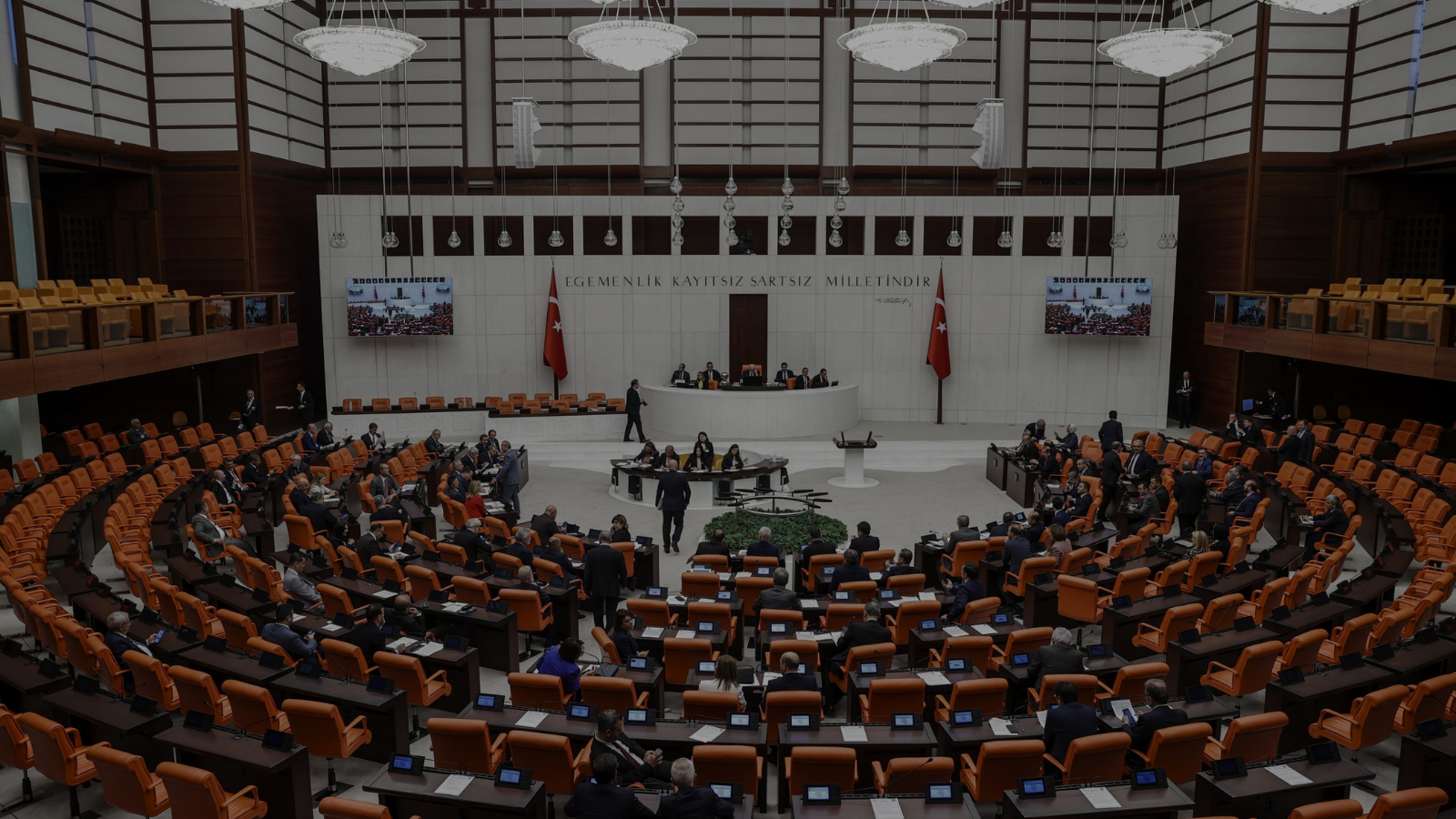
This article reveals that the Grand National Assembly of Türkiye (TBMM) has been increasingly rendered ineffective, not only due to the restriction of its constitutional powers—especially with the post-2017 Constitutional amendments—but also because of controversial interpretations of the internal regulations and practices incompatible with political ethics. The recent contradictions between commissions and the general assembly, as well as the debates over fake voting ballots, further deepen concerns regarding the political ethics dimension and democratic legitimacy of legislative activities. Numerous critical research reports, articles, and analyses have previously been published by the Center for Public Policy, State Administration, and Societal Progress (KAPDEM) regarding the "Presidential Government System" established by the post-2017 Constitutional amendments, alongside the structural and functional problems of the newly established political and administrative order. Without repeating the important points stated in those previous studies, this article re-analyzes how the weakening of the TBMM's oversight and legislative power following the transition to the Presidential Government System has been further exacerbated by such practices, pointing to recent examples. It is underlined and emphasized that the erosion of the will of the TBMM, which is the fundamental guarantee of a democratic state governed by the rule of law, damages not only the opposition's right to speak but also national sovereignty. Furthermore, by recalling the historical and founding role of the TBMM, a call is made to restore and strengthen the prestige and effectiveness of the Parliament on the basis of political ethics and the principles of the rule of law.